How to Clean Pothos Plant Leaves for Better Growth
Pothos plants are famous for being almost impossible to kill. They feature vibrant, heart-shaped leaves that trail down shelves and climb up moss poles. However, even the hardiest pothos starts to look tired, dull, and slow-growing after sitting in a room for a few months.
The reason is simple: dust.
Indoor dust acts like a tiny blanket covering your plant’s foliage. Cleaning your pothos plant leaves isn’t just about making them look pretty—it is vital for their health and growth. This guide breaks down the science, step-by-step cleaning methods, and natural shine tricks in simple, easy-to-understand terms
Why Dust Harms Your Pothos Plant
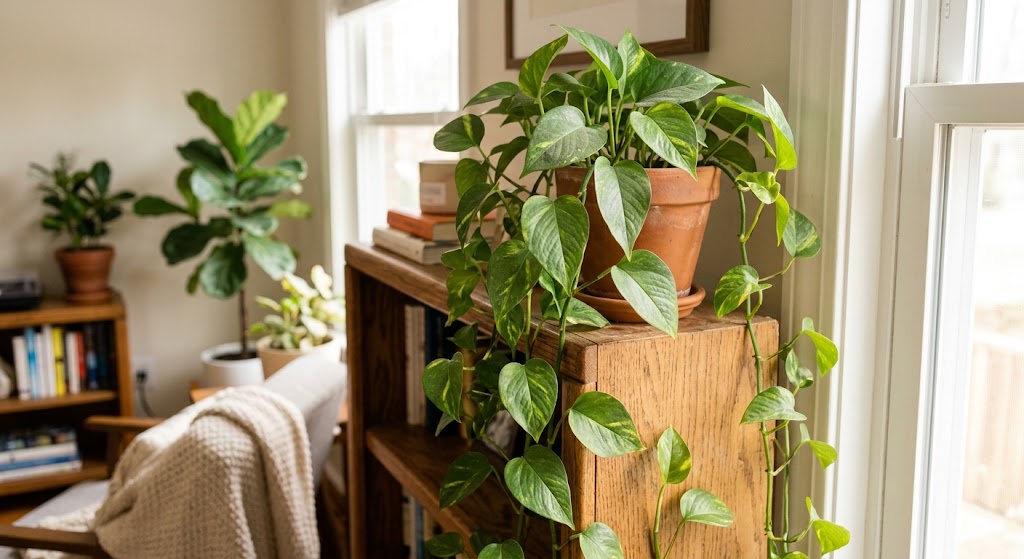
Plants need light to make their own food through a process called photosynthesis. When light hits a leaf, tiny structures inside absorb that energy and turn air and water into sugars that fuel new growth.
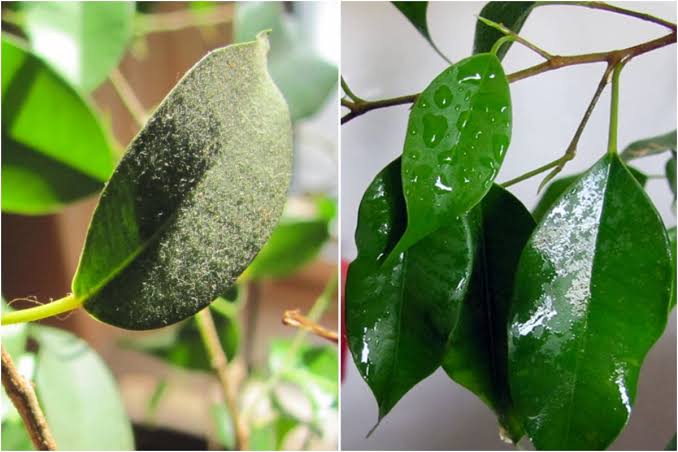
When a layer of dust covers a leaf:
Light is blocked: Up to 30% or more of natural light gets reflected away before reaching the plant’s cells.
Pores get clogged: Plants breathe through microscopic pores called stomata. Dust blocks these pores, making it hard for the plant to take in carbon dioxide and release oxygen.
Pests find a home: Spider mites and mealybugs love dusty, dry foliage because it gives them a place to hide undisturbed.
What Supplies Do You Need?
You do not need expensive store-bought products to clean houseplant leaves. In fact, many commercial leaf-shine sprays contain heavy oils that clog leaf pores further. Simple household tools work best
Essential Tools for Cleaning Pothos Leaves
| Tool | Purpose | Best For |
|---|---|---|
| Microfiber Cloth | Grabs fine dust without scratching | Light, weekly dusting |
| Lukewarm Water | Dissolves dirt and mineral spots | Deep cleaning |
| Mild Dish Soap | Breaks down sticky buildup and pest residue | Dirty or sticky leaves |
| Soft Paintbrush | Sweeps away loose dirt near stems | Delicately removing dry dust |
| Neem Oil (Optional) | Natural shine and pest deterrent | Monthly maintenance |
Easy Methods to Clean Pothos Leaves
The Damp Microfiber Wipe Best for Small to Medium Plants
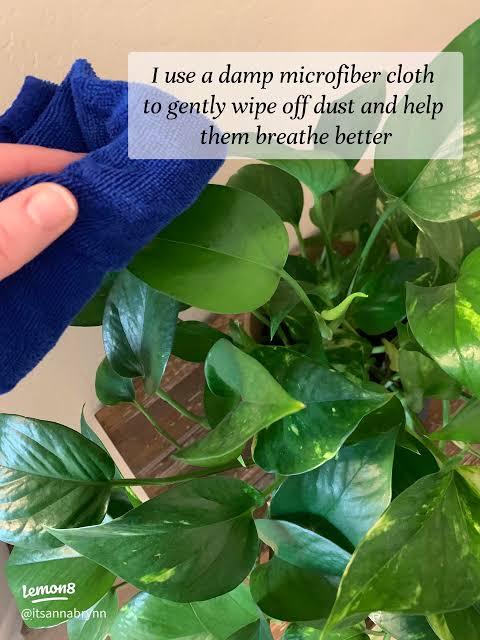
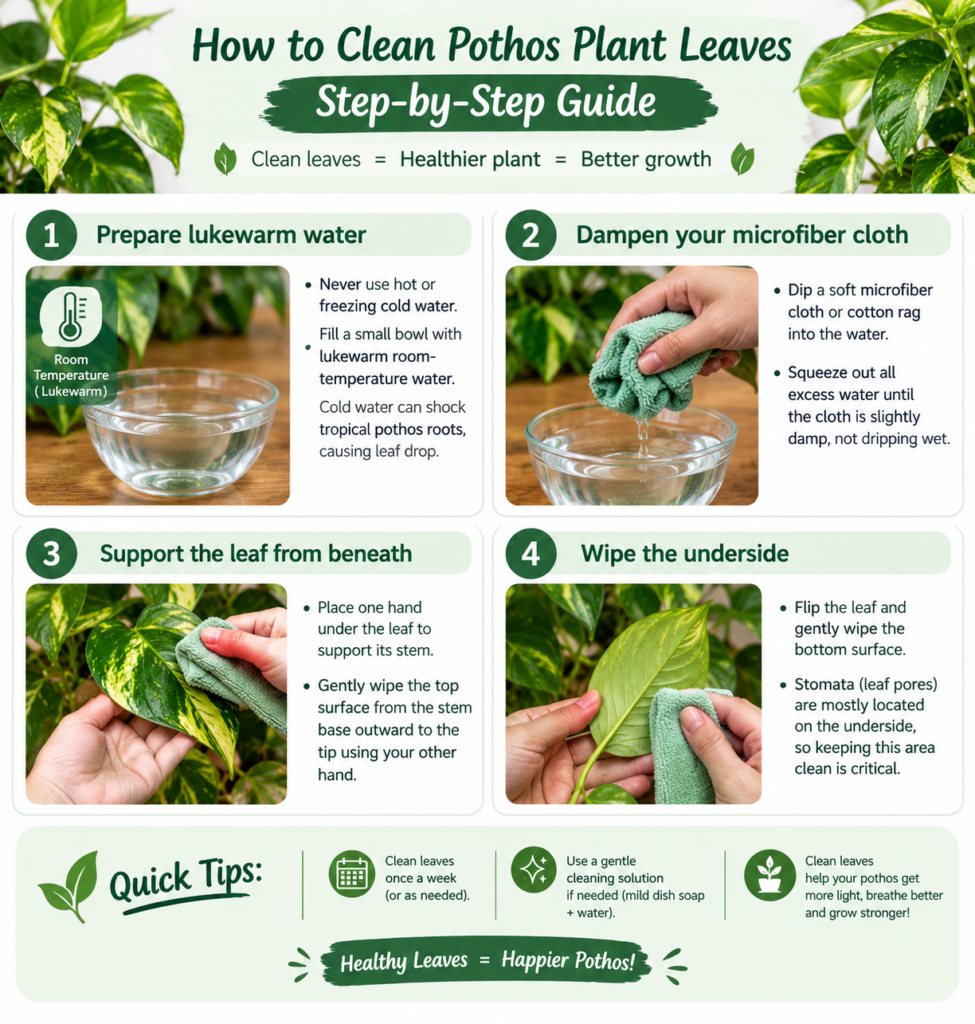
Fill a small bowl with lukewarm room-temperature water. Cold water can shock tropical pothos roots, causing leaf drop.
Dip a soft microfiber cloth or cotton rag into the water. Squeeze out all excess water until the cloth is slightly damp, not dripping wet.
Place one hand under the leaf to support its stem. Gently wipe the top surface from the stem base outward to the tip using your other hand.
Flip the leaf and gently wipe the bottom surface. Stomata (leaf pores) are mostly located on the underside, so keeping this area clean is critical.
The Gentle Shower Best for Large or Bushy Plants
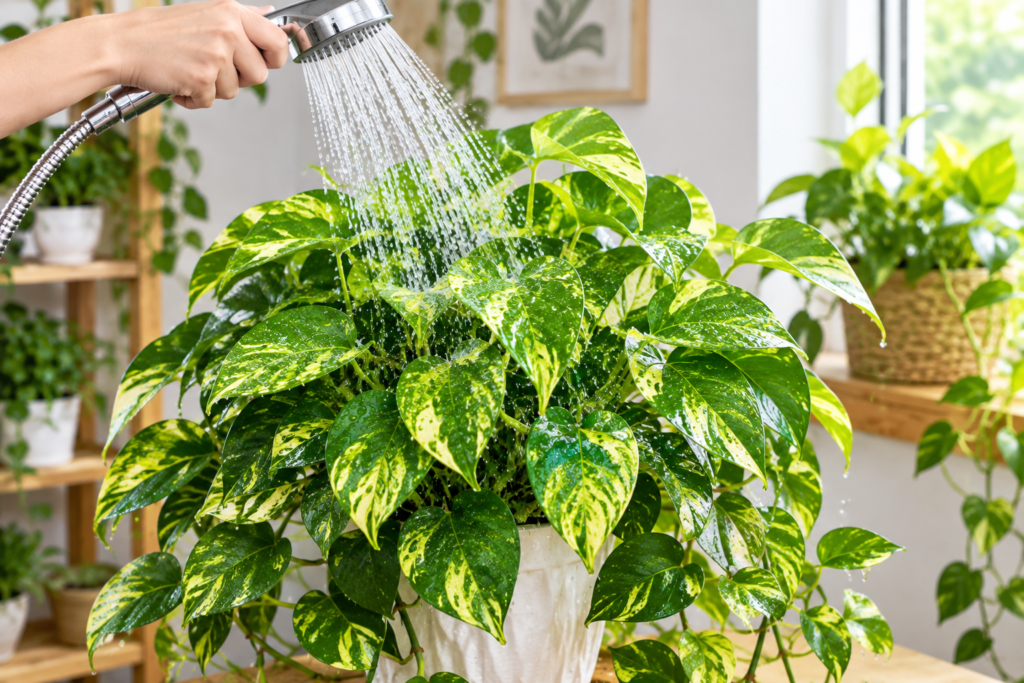
If your pothos has long, trailing vines with hundreds of small leaves, wiping every single leaf takes too long. A quick shower saves time.
Protect the soil: Wrap a plastic grocery bag or plastic wrap around the base of the pot. Secure it around the stem so soil doesn’t wash away or get waterlogged.
Set water temperature: Turn on your shower or sink sprayer using cool-to-lukewarm water.
Rinse gently: Spray the foliage using gentle pressure for 1–2 minutes, rinsing top and bottom leaves.
Drip dry: Leave the plant in the tub for 30 minutes to drain off excess moisture before moving it back to its original spot.
The Mild Soapy Rinse Best for Sticky Leaves or Pests
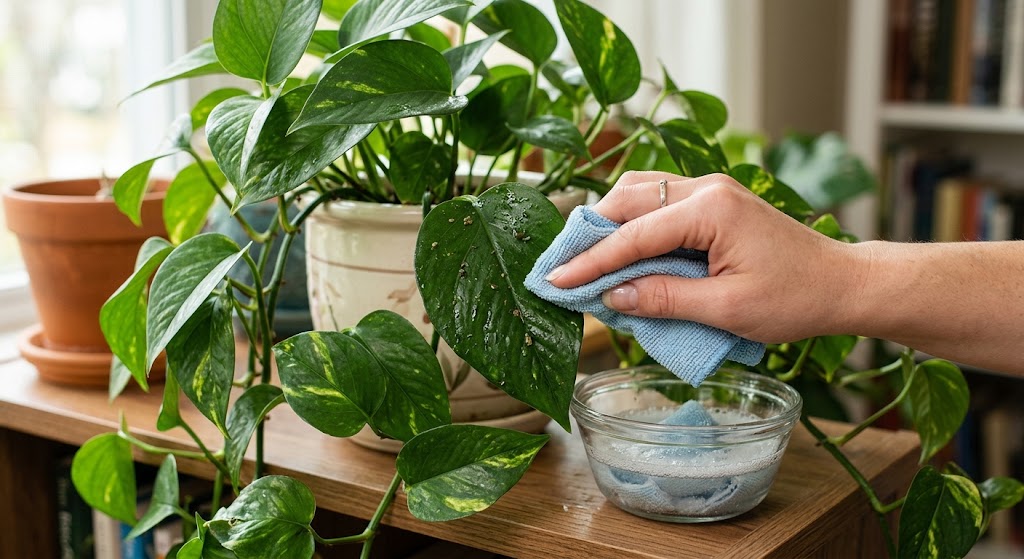
Sometimes leaves feel sticky due to honeydew left behind by aphids or scale insects.
Mix 1 quart of room-temperature water with 1/4 teaspoon of mild dish soap (liquid castile soap works best).
Dip your cloth in the soapy solution, wipe the leaves clean, and follow up by wiping them once more with a fresh cloth dipped in plain water to remove any soap residue.
Neem Oil Treatment for Natural Shine and Pest Defense
Instead of synthetic chemical sprays, organic neem oil cleans, shines, and protects against common pests.
Mix 1/2 teaspoon of pure cold-pressed neem oil and 2 drops of liquid soap into 1 quart of warm water.
Shake well in a spray bottle.
Lightly mist the foliage and wipe gently with a soft cloth.
Important: Keep the plant out of direct sun for 24 hours after applying neem oil to prevent leaf sunburn.
Homemade Commercial Leaf Cleaners: What Works
Pothos Leaf Cleaning Solutions: What’s Safe?
| Cleaning Solution | Safe for Pothos? | Why or Why Not? |
|---|---|---|
| Plain Water | Yes | Completely safe, removes 90% of dust easily. |
| Diluted Neem Oil | Yes | Natural pest repeller; adds a healthy satin shine. |
| Diluted Milk | Use Caution | Leaves temporary shine, but decays quickly and can smell or attract fruit flies. |
| Mayonnaise / Olive Oil | No | Blocks leaf stomata completely, traps heat, and collects more dust. |
| Commercial Leaf Shine | No | Contains synthetic waxes that clog pores and turn yellow over time. |
How Often Should You Clean Your Pothos
Cleaning frequency depends on where you live and how much air circulates through your room:
Routine Dusting (Every 1–2 Weeks): Do a quick dry dusting with a microfiber cloth or soft duster.
Deep Clean Wipe Down (Once a Month): Use a damp cloth or shower rinse to remove sticky residue and invisible dust layers.
Seasonal Cleaning (Start of Spring & Autumn): Give your pothos a thorough inspection, clean every leaf, trim yellowing stems, and refresh its growing position.
FAQ
Can I use mayo or coconut oil to make pothos leaves shiny?
No. Oils and mayonnaise create a sticky barrier over the leaf surface. While it looks shiny for a day or two, it clogs the plant’s pores (stomata), preventing oxygen exchange and attracting double the dust. Stick to plain water or diluted neem oil instead.
Why are my pothos leaves turning yellow after cleaning?
If leaves turn yellow shortly after cleaning, it is usually caused by using cold water (which shocks tropical roots) or overwatering the soil while showering the plant. Always cover the pot with plastic during showers, and use room-temperature water.
Should I wipe the underside of pothos leaves too?
Yes. Pothos plants breathe mainly through the undersides of their leaves where most stomata are located. Pests like spider mites also hide under the leaves, so wiping both sides keeps your plant healthy and pest-free.
Is rainwater better than tap water for cleaning Pothos leaves?
Yes. Tap water contains minerals that leave white spots on leaves as it dries. Rainwater is soft and chemical-free, keeping leaves clean and spot-free.
Can I put my Pothos in direct sunlight after cleaning?
No. Water droplets act like small magnifying glasses. Direct sunlight on wet leaves will cause severe leaf sunburn and brown spots. Keep it in bright, indirect light.
