How to Pot and Repot Pothos: A Complete Step-by-Step Guide
Pothos (Epipremnum aureum) is loved by plant parents for its fast growth and easy-care nature. However, as your vine expands, its roots will eventually outgrow its current container. Repotting gives your plant fresh nutrients, room for healthy root development, and better water drainage.
This practical guide breaks down the complete process of potting new plants and repotting established ones using clear, simple language that anyone can follow.
When Should You Repot Your Pothos?
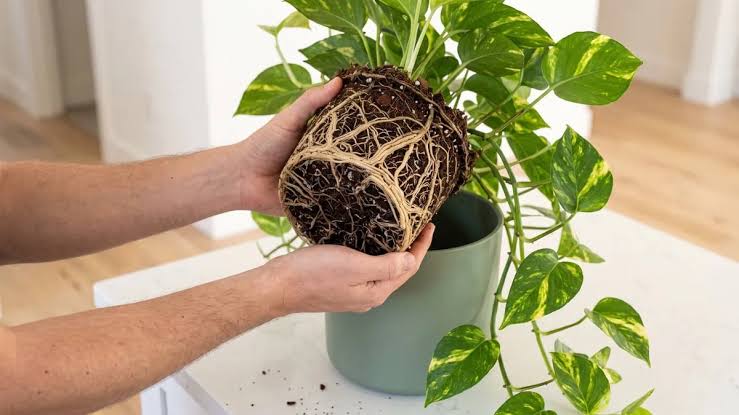
Knowing when to move your plant to a bigger container prevents stress and root rot. On average, a healthy pothos needs a new pot every 1 to 2 years.
Look out for these common warning signs:
| Signal | What It Means | Solution |
| Roots growing through drainage holes | The plant is completely rootbound. | Move up 1–2 inches in pot diameter. |
| Water drains straight through quickly. | Soil has broken down; roots fill the pot. | Repot with fresh, rich potting mix. |
| Growth slows or stops during spring. | Roots have no room left to expand. | Upgrade to a larger container. |
| Top-heavy planter | Vines cause the pot to tip over easily. | Transfer to a heavier base or terracotta pot |
Best Pot Soil Mix and Supplies
Before starting, prepare your potting workspace with the right materials:
-
The Right Container: Pick a pot that is 1 to 2 inches larger in diameter than the current one. Always ensure it has drainage holes at the bottom.
-
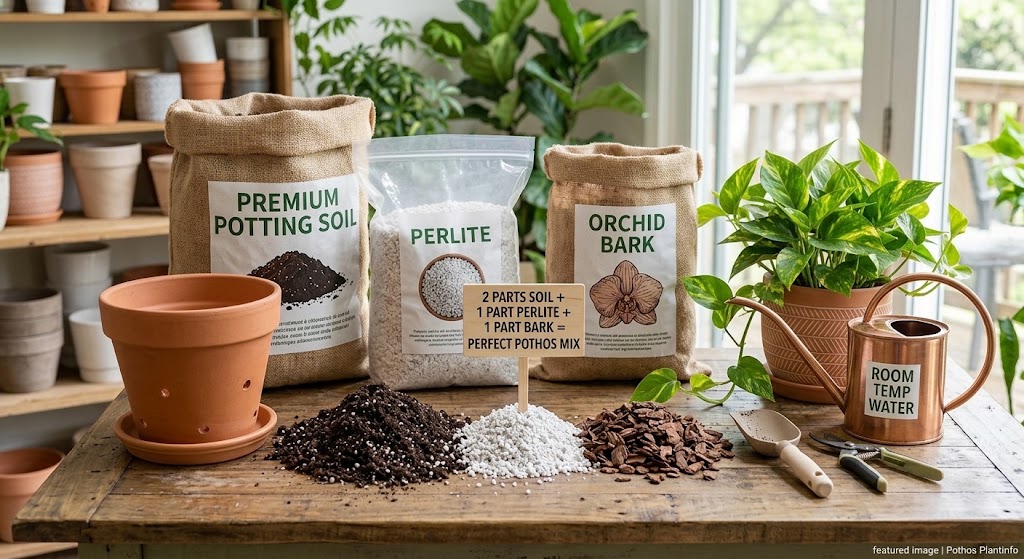
Well-Draining Soil Mix: Mix standard potting soil with perlite and orchid bark (2 parts potting soil, 1 part perlite, 1 part orchid bark). This allows oxygen to reach the root system while retaining balanced moisture.
-
Essential Tools: Fresh room-temperature water, a small hand trowel, and clean pruning shears or scissors.
Step-by-Step Guide: How to Repot a Pothos
Step-by-Step Pothos Repotting Guide
Water your pothos the day before repotting. Moist soil holds together better, helps loosen the root ball, and reduces root shock during the transfer.
Gently hold the base of the stems near the soil surface. Turn the pot sideways, lightly squeeze the sides (if plastic), or tap the bottom to slide the plant out smoothly. Avoid jerking or pulling hard on the stems.
Inspect the root system carefully. Use your fingers to gently untangle tight or circling roots. If you spot any mushy, dark brown, or foul-smelling roots, trim them off using clean pruning shears.
Add a fresh layer of your well-draining soil mix into the bottom of the new container (about 2 to 3 inches deep), so the top of the root ball sits roughly 1 inch below the rim.
Center the pothos in the new container. Fill in the surrounding spaces with fresh soil, pressing down gently around the base to eliminate air pockets while keeping the soil airy.
Water the newly repotted plant until liquid drains out from the bottom holes. Empty any excess water from the drainage tray, then place your plant in bright, indirect light.
Post-Repotting Care Tips
Newly repotted plants need a short period to recover and settle into their new environment:
-
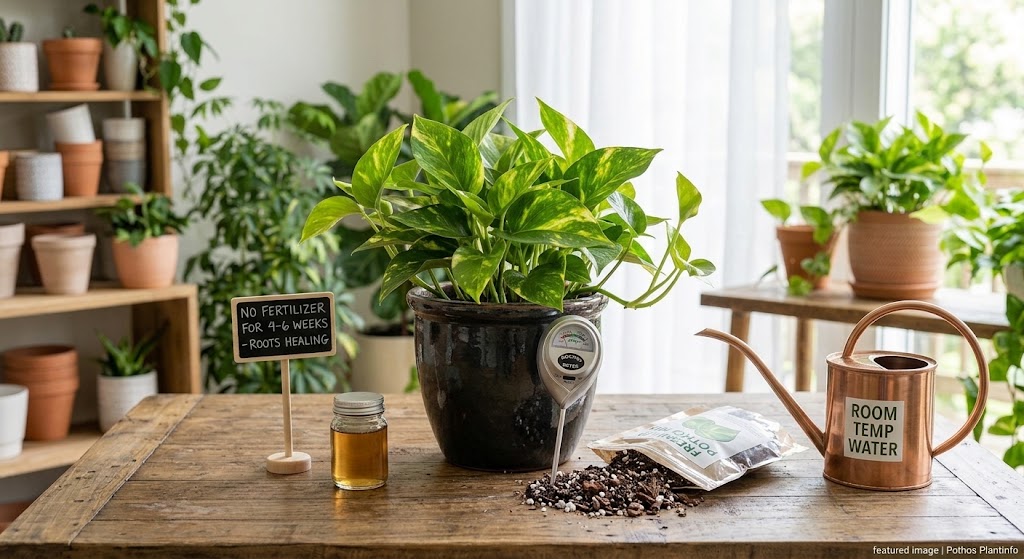
Avoid Immediate Fertilization: Wait at least 4 to 6 weeks before applying fertilizer. Fresh soil already contains sufficient nutrients, and newly trimmed roots can burn from premature feeding.
-
Maintain Filtered Sunlight: Keep the plant in a warm spot with bright, indirect light. Avoid placing it in direct sunlight while it recovers.
-
Monitor Moisture Levels: Allow the top 2 inches of soil to dry out between waterings. Avoid overwatering during the initial recovery weeks.
Frequently Asked Questions
How do I know when my Pothos needs to be repotted?
Signs include roots growing out of the drainage holes, water draining straight through without absorbing, top-heavy growth causing the pot to tip over, or noticeably slowed growth during the active growing season.
What is the best time of year to repot a Pothos?
-
Spring and early summer are the ideal times to repot, as the plant is in its active growth phase and recovers much faster from repotting stress.
How much bigger should the new pot be?
Choose a new pot that is only 1 to 2 inches larger in diameter than the current pot. A pot that is too large holds excessive moisture, increasing the risk of root rot.
What type of soil mix is best for Pothos?
Pothos prefers a well-draining, aerated potting soil. A standard indoor potting mix blended with perlite or orchid bark (roughly 70% potting soil to 30% perlite/bark) works best to prevent waterlogging.
Are drainage holes strictly necessary for Pothos pots?
Yes, drainage holes are essential. Without them, excess water pools at the bottom of the container, suffocating the roots and causing root rot.
